Introduction
Uterine fibroids are a common gynaecological concern among women, particularly during their reproductive years. They are non-cancerous growths that develop in or around the uterus and can vary in size, number and location. Some women have small fibroids without experiencing any symptoms, while others may develop heavy menstrual bleeding, pelvic pain, abdominal pressure or difficulty conceiving.
A diagnosis of uterine fibroids can naturally raise questions about whether treatment is necessary, whether the condition affects pregnancy and which treatment option is most suitable. The answer depends on several factors, including the size and position of the fibroids, the severity of symptoms, age, general health and future pregnancy plans.
Understanding uterine fibroid symptoms, available diagnostic tests and modern treatment options can help women make informed decisions about their reproductive health. With proper evaluation and personalised medical care, fibroids can often be managed effectively.
This guide explains the best treatment for uterine fibroids, when medical management may be sufficient, when procedures are considered and why consulting a gynaecologist is important.
What Are Uterine Fibroids?
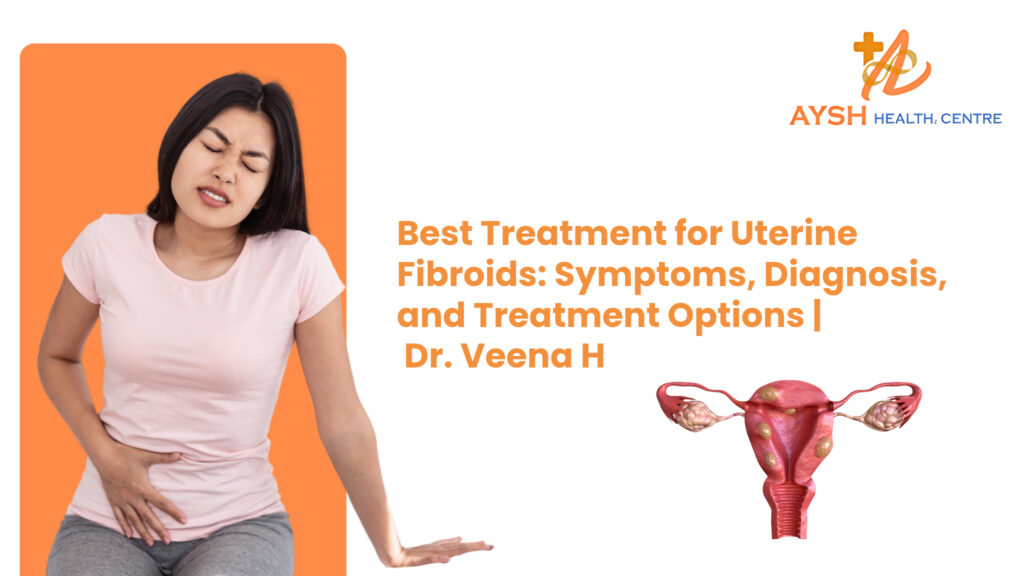
Uterine fibroids, also known as leiomyomas or myomas, are non-cancerous growths that develop from the muscular tissue of the uterus. They can grow within the uterine wall, project into the uterine cavity or develop on the outer surface of the uterus.
Fibroids differ from one woman to another. Some are very small and may not cause any problems, while others can become large enough to affect nearby organs or the shape of the uterus.
The main types of uterine fibroids include:
1. Intramural Fibroids
These develop within the muscular wall of the uterus. They are among the commonly identified types and may cause heavy menstrual bleeding, pelvic discomfort or a feeling of pressure when they become large.
2. Submucosal Fibroids
These grow towards the inner cavity of the uterus. Even relatively small submucosal fibroids may contribute to heavy menstrual bleeding or fertility-related concerns because of their position.
3. Subserosal Fibroids
These develop on the outer surface of the uterus and may grow towards the pelvic or abdominal cavity. Larger fibroids of this type can press against the bladder or bowel, causing urinary frequency, constipation or abdominal pressure.
4. Pedunculated Fibroids
These fibroids are attached to the uterus by a narrow stalk. They may develop on the outer surface or project into the uterine cavity. Their symptoms depend on their location and size.
Knowing the type and location of a fibroid helps the doctor decide whether observation, medication or a procedure is appropriate.
What Causes Uterine Fibroids?
The exact cause of uterine fibroids is not fully understood. However, several hormonal, genetic and biological factors may influence their development and growth.
1. Hormonal Factors
Oestrogen and progesterone are reproductive hormones that influence the uterine lining and menstrual cycle. These hormones also play a role in fibroid growth. This is one reason fibroids commonly develop during the reproductive years and may shrink after menopause.
2. Genetic Factors
A family history of uterine fibroids may increase a woman’s likelihood of developing them. Certain genetic changes in uterine muscle cells are also associated with fibroid formation.
3. Age and Reproductive Stage
Fibroids are commonly diagnosed during the reproductive years. Their growth patterns may change over time, and they often become smaller after menopause when reproductive hormone levels decline.
4. Body Weight and Metabolic Health
Some studies have associated higher body weight and certain metabolic factors with an increased likelihood of fibroids. However, these factors do not explain every case, and fibroids can affect women of different body types.
5. Other Biological Factors
Growth factors and changes in the cells and connective tissue of the uterus may contribute to fibroid development. Research continues to explore why some women develop fibroids while others do not.
It is important to remember that fibroids are not caused by poor personal hygiene or a woman’s failure to follow a particular diet.
Common Symptoms of Uterine Fibroids
Not every woman with fibroids experiences symptoms. Many fibroids are discovered during routine pelvic examinations or ultrasound scans performed for unrelated reasons.
When symptoms occur, they may vary according to the size, number and location of the growths.
1. Heavy Menstrual Bleeding
One of the most common uterine fibroid symptoms is heavy or prolonged menstrual bleeding. Some women may notice that their periods last longer than usual or involve frequent changes of sanitary products.
Heavy bleeding can sometimes lead to iron-deficiency anaemia, which may cause tiredness, weakness, dizziness and shortness of breath.
2. Painful Periods
Fibroids may contribute to increased menstrual cramps or discomfort. The pain may be more noticeable during menstruation and can sometimes interfere with daily activities.
3. Pelvic Pain and Pressure
Larger fibroids may cause a feeling of heaviness, fullness or pressure in the lower abdomen. Some women experience persistent pelvic discomfort or lower back pain.
4. Frequent Urination
Fibroids that grow near the bladder may place pressure on it. This can cause frequent urination, sudden urges to urinate or difficulty emptying the bladder completely.
5. Constipation and Bowel Discomfort
When fibroids press against the rectum or surrounding bowel structures, some women may experience constipation, bloating or discomfort while passing stools.
6. Pain During Sexual Intercourse
Depending on their location, fibroids may cause discomfort or pain during sexual activity.
7. Abdominal Enlargement
Large fibroids may increase the size of the uterus and cause visible abdominal swelling or a feeling of fullness.
8. Fertility-Related Concerns
Certain fibroids, particularly those that affect the uterine cavity, may contribute to difficulty conceiving or pregnancy complications. However, many women with fibroids become pregnant without difficulty.
If you experience persistent heavy bleeding, pelvic discomfort or changes in your menstrual cycle, consult a gynaecologist for an appropriate assessment.
How Are Uterine Fibroids Diagnosed?
An accurate fibroid diagnosis is essential because treatment depends on the number, size and position of the fibroids. A gynaecologist may recommend one or more investigations based on the symptoms and examination findings.
1. Medical History and Physical Examination
The doctor may ask about menstrual cycle patterns, bleeding, pelvic pain, urinary symptoms, previous pregnancies and future fertility plans.
A pelvic examination may help identify an enlarged or irregularly shaped uterus. However, a physical examination alone may not provide complete information about the fibroids.
2. Pelvic Ultrasound
An ultrasound scan is commonly used as an initial investigation for uterine fibroids. It uses sound waves to create images of the uterus and surrounding pelvic structures.
It can help identify:
-
The number of fibroids
-
Their approximate size
-
Their location within or around the uterus
-
Changes in uterine shape
-
Other pelvic abnormalities that may require evaluation
Depending on the clinical situation, the scan may be performed through the abdomen or transvaginally.
3. Complete Blood Count
Women experiencing heavy menstrual bleeding may be advised to undergo a complete blood count (CBC). This test helps assess haemoglobin levels and identify anaemia caused by blood loss.
Iron studies may also be recommended when iron deficiency is suspected.
4. MRI Scan
Magnetic resonance imaging (MRI) may be advised when more detailed information about fibroid location, size or number is required.
It can be particularly useful when multiple fibroids are present or when the doctor is planning a specialised procedure.
5. Hysteroscopy
Hysteroscopy involves inserting a thin instrument with a camera through the vagina and cervix to examine the inside of the uterus.
It may help assess fibroids that project into the uterine cavity and can sometimes be combined with treatment.
The investigations recommended will depend on individual symptoms and clinical findings. Not every woman requires every test.
What Is the Best Treatment for Uterine Fibroids?
There is no single treatment that is best for every woman. The most suitable uterine fibroid treatment depends on the severity of symptoms, fibroid size and location, age, medical history and whether the woman wishes to have children in the future.
Some women only require regular monitoring, while others may benefit from medication or a procedure.
1. Watchful Waiting and Regular Monitoring
Women with small, asymptomatic fibroids may not need immediate treatment. If the fibroids are not causing bleeding, pain, pressure or fertility concerns, the doctor may recommend periodic follow-up.
Monitoring may include:
-
Reviewing menstrual symptoms
-
Assessing any new pelvic discomfort
-
Repeating ultrasound scans when clinically appropriate
-
Checking for changes in fibroid size
-
Monitoring haemoglobin levels if bleeding is a concern
Watchful waiting does not mean ignoring the condition. It involves observing the fibroids and seeking reassessment if symptoms develop or worsen.
2. Medication for Heavy Menstrual Bleeding
Medication may help manage symptoms such as heavy periods and menstrual pain. The specific medicine depends on the patient’s health, bleeding pattern and pregnancy plans.
Options may include:
-
Tranexamic acid to reduce menstrual blood loss
-
Non-steroidal anti-inflammatory drugs (NSAIDs) to help manage pain and, in some cases, menstrual blood loss
-
Hormonal contraceptives to regulate bleeding
-
Progestin-based treatments in selected cases
-
Hormonal intrauterine systems for suitable women whose uterine cavity is not significantly distorted
These treatments mainly control symptoms and may not remove the fibroids themselves.
3. Hormonal Treatment to Reduce Fibroid Size
Certain hormone-based medicines, including gonadotropin-releasing hormone (GnRH) agonists or antagonists, may be used in selected cases.
Depending on the medicine, they can reduce menstrual bleeding and may temporarily shrink fibroids. They may be recommended before surgery or as part of a carefully planned treatment approach.
These medicines can have side effects, including hot flashes and changes in bone density. Therefore, they require medical supervision and are not suitable for every patient.
4. Myomectomy – Fibroid Removal While Preserving the Uterus
Myomectomy is a surgical procedure in which fibroids are removed while the uterus is preserved. It may be considered for women who have significant symptoms or want to retain the possibility of future pregnancy.
The approach depends on the fibroid’s size, number and location.
Common methods include:
-
Hysteroscopic myomectomy: Used for suitable fibroids that project into the uterine cavity. The fibroid is removed through the vagina and cervix without an abdominal incision.
-
Laparoscopic myomectomy: A minimally invasive procedure performed through small abdominal incisions using a camera and specialised instruments.
-
Open myomectomy: An abdominal incision is used to access and remove fibroids, particularly when they are large or numerous and other approaches may not be suitable.
Myomectomy preserves the uterus, but it does not guarantee that new fibroids will never develop. Pregnancy planning after surgery should be discussed with the treating gynaecologist.
5. Uterine Artery Embolisation
Uterine artery embolisation (UAE) is a non-surgical procedure that reduces the blood supply to fibroids. Small particles are introduced into the blood vessels supplying the fibroids, causing them to shrink over time.
It may help reduce bleeding and pressure symptoms in selected women.
However, its suitability depends on individual circumstances. Women who wish to become pregnant in the future should discuss the possible reproductive implications with a specialist before considering this procedure.
6. Hysterectomy
A hysterectomy is a surgical procedure to remove the uterus. It is a definitive treatment for uterine fibroids because fibroids cannot recur once the uterus has been removed.
It may be considered for women with severe symptoms when other treatments are unsuitable or have not provided sufficient relief, particularly when future pregnancy is not desired.
After a hysterectomy, a woman cannot carry a pregnancy. The decision therefore requires careful discussion of the benefits, risks and alternatives.
7. Other Minimally Invasive Procedures
Depending on the fibroid type, available facilities and individual medical suitability, other procedures may be considered. These can include image-guided treatments that use focused energy to destroy fibroid tissue.
Not every procedure is suitable for every fibroid, and availability may differ between healthcare centres.
Can Uterine Fibroids Affect Fertility and Pregnancy?
Many women with uterine fibroids conceive naturally and have healthy pregnancies. However, certain fibroids can affect fertility depending on their size and position.
1. Changes to the Uterine Cavity
Submucosal fibroids that project into the uterine cavity may interfere with the normal shape of the space where an embryo implants and develops.
2. Difficulty Conceiving
Some fibroids may affect the reproductive process, but they are not the only possible cause of infertility. A complete fertility evaluation may be needed before deciding whether a fibroid is responsible.
3. Pregnancy Complications
Depending on their location and size, fibroids may be associated with certain pregnancy complications, including pain, an increased likelihood of some pregnancy-related difficulties and changes in delivery planning.
However, many women with fibroids experience uncomplicated pregnancies.
4. Treatment Before Pregnancy
For women planning to conceive, a gynaecologist may evaluate whether treatment is necessary before pregnancy. Myomectomy may be considered in selected cases, particularly when fibroids distort the uterine cavity or are strongly suspected of contributing to fertility problems.
Not every fibroid needs to be removed before pregnancy. Treatment decisions should consider the likely benefit, surgical risks and the woman’s reproductive goals.
Can Uterine Fibroids Be Treated Without Surgery?
Yes. Some women can manage fibroid-related symptoms without surgery.
Non-surgical options may include:
-
Regular monitoring for fibroids that are not causing symptoms
-
Medication to reduce heavy menstrual bleeding
-
Pain-relief medication when appropriate
-
Hormonal treatment in selected cases
-
Iron supplementation when iron deficiency is identified
-
Uterine artery embolisation for suitable patients
It is important to understand that symptom management and fibroid removal are not the same. Medication may control bleeding or pain without eliminating the fibroids.
The best approach should be selected after evaluating the patient’s condition and future pregnancy plans.
Lifestyle Tips for Women with Uterine Fibroids
Lifestyle habits cannot reliably prevent or eliminate uterine fibroids. However, maintaining general health can support overall well-being and help women cope with symptoms.
1. Follow a Balanced Diet
Include vegetables, fruits, whole grains, legumes and suitable protein sources in your regular meals. Women with heavy bleeding may need an assessment for iron deficiency and dietary advice based on their test results.
2. Maintain Regular Physical Activity
Activities such as walking, cycling or other suitable exercises can support cardiovascular and metabolic health. Choose an activity level that feels comfortable and appropriate for your health.
3. Monitor Menstrual Bleeding
Keep track of period duration, bleeding intensity and any unusual changes. This information can help the gynaecologist understand whether symptoms are becoming more severe.
4. Avoid Self-Medication
Do not start hormonal medicines, supplements or treatments advertised as fibroid cures without medical advice. Some products may be ineffective or unsuitable for your health condition.
5. Attend Follow-Up Appointments
Regular follow-up helps assess changes in symptoms and determine whether the current management approach remains appropriate.
When Should You Consult a Gynaecologist?
Consult a gynaecologist if you experience:
-
Periods that are unusually heavy or prolonged
-
Bleeding between menstrual periods
-
Persistent pelvic or lower abdominal pain
-
Frequent urination or difficulty emptying the bladder
-
Ongoing constipation or pressure in the lower abdomen
-
Unexplained fatigue or weakness associated with heavy bleeding
-
Difficulty conceiving or repeated pregnancy-related concerns
Seek urgent medical attention if you experience very heavy bleeding with dizziness or fainting, severe sudden pelvic pain, or an inability to pass urine. These symptoms require prompt assessment.
Early evaluation can help identify the cause of the symptoms and determine whether observation, medication or a procedure is needed.
Why Is Personalised Fibroid Treatment Important?
Two women may have fibroids of similar size but require completely different treatment plans. A small fibroid that affects the uterine cavity may be more relevant to fertility than a larger fibroid located away from it.
A personalised treatment plan considers:
-
The number, size and location of fibroids
-
Severity of menstrual bleeding and pain
-
Presence of anaemia
-
Age and general health
-
Current pregnancy status
-
Plans for future pregnancy
-
Previous treatments and response to medication
-
The risks and benefits of available procedures
This approach helps avoid unnecessary procedures and ensures that treatment is aligned with the woman’s health priorities.
Frequently Asked Questions About Uterine Fibroids
1. Are uterine fibroids cancerous?
Most uterine fibroids are benign, meaning they are non-cancerous growths. They are not the same as uterine cancer. However, unusual bleeding, rapidly changing symptoms or an uncertain diagnosis should always be evaluated by a doctor.
2. Can uterine fibroids disappear naturally?
Some fibroids may shrink, particularly after menopause when reproductive hormone levels decline. However, fibroids do not reliably disappear through diet, exercise or home remedies.
3. Do all uterine fibroids require surgery?
No. Many fibroids do not cause symptoms and may only require monitoring. Surgery is generally considered when symptoms are significant, other treatments are unsuitable or specific fertility-related concerns exist.
4. What is the best treatment for large uterine fibroids?
Treatment depends on the fibroid’s size, number, location and the woman’s symptoms and pregnancy plans. Options may include medication, myomectomy, uterine artery embolisation or hysterectomy in selected cases.
5. Can fibroids cause heavy periods?
Yes. Fibroids, especially those that affect the uterine cavity, may cause heavy or prolonged menstrual bleeding. Persistent heavy bleeding should be assessed because it can lead to anaemia.
6. Can I get pregnant if I have uterine fibroids?
Yes. Many women with fibroids become pregnant naturally. Some fibroids may affect fertility or pregnancy depending on their size and location. A gynaecologist can assess whether treatment is advisable before conception.
7. Is myomectomy better than hysterectomy?
Neither procedure is universally better. Myomectomy removes fibroids while preserving the uterus and may be suitable for women who want future pregnancies. Hysterectomy removes the uterus and is a definitive treatment, but it ends the ability to carry a pregnancy.
8. Can uterine fibroids grow back after treatment?
New fibroids can develop after myomectomy because the uterus remains in place. Some medicines control symptoms without permanently removing fibroids. Hysterectomy prevents uterine fibroids from recurring because the uterus is removed.
9. Can small fibroids cause problems?
Yes, depending on their location. A relatively small fibroid that projects into the uterine cavity may contribute to heavy bleeding or fertility concerns. Size alone does not determine whether treatment is needed.
10. When should I seek treatment for uterine fibroids?
You should consult a gynaecologist if fibroids cause heavy bleeding, pelvic pain, pressure symptoms, anaemia or fertility concerns. Treatment may not be necessary if fibroids are small and asymptomatic, but follow-up should be based on medical advice.
Conclusion
Uterine fibroids are common, non-cancerous growths that can affect women in different ways. While some women have no symptoms, others may experience heavy menstrual bleeding, painful periods, pelvic pressure, urinary problems or fertility concerns.
The best treatment for uterine fibroids depends on the size and location of the growths, the severity of symptoms, overall health and future pregnancy plans. Options range from regular monitoring and medication to myomectomy, uterine artery embolisation and hysterectomy in selected cases.
An early and accurate diagnosis helps women understand their condition and choose an appropriate treatment approach. If you are experiencing persistent menstrual changes, pelvic discomfort or difficulty conceiving, consult a qualified gynaecologist for individual assessment and guidance.
At Aysh Healthcare, women can explore gynaecological care and seek guidance about menstrual and reproductive health concerns. Dr. Veena H is featured on the healthcare website in connection with women’s health services.
Contact Details
Clinic: Aysh Healthcare
Doctor: Dr. Veena H
Speciality: Gynaecology
Location: Bangalore
Website: https://ayshhealthcare.com/
Recommended internal links for SEO: Aysh Healthcare has a dedicated fibroid treatment page. Use these hyperlinks in the blog where the matching phrases appear:
These are verified links from the clinic’s website.