
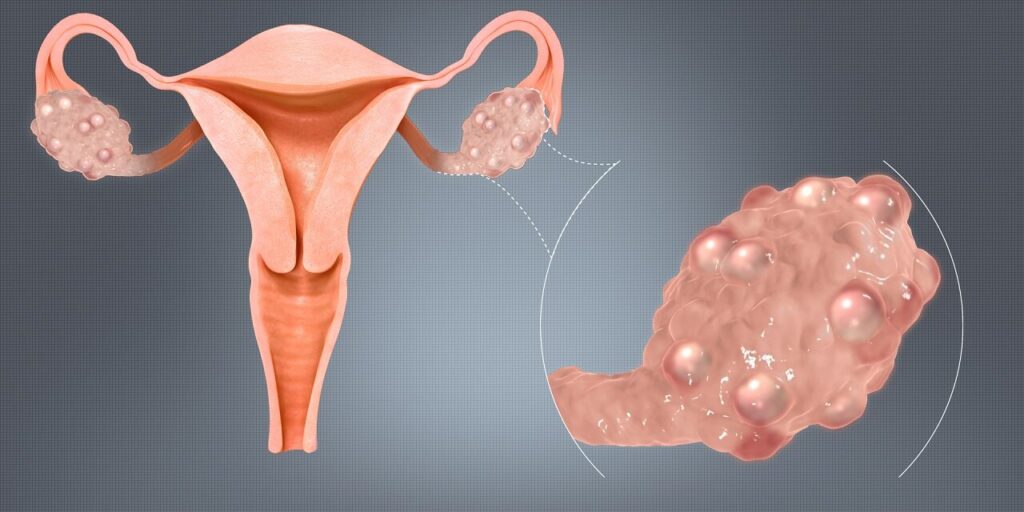
Polycystic Ovary Disease (PCOD) is one of the most common hormonal disorders in women of reproductive age. It affects the ovaries, leading to irregular cycles, hormonal imbalance, and difficulty in conceiving. Although it is a lifelong condition, it can be managed effectively with proper care.
What is PCOD?
In PCOD, the ovaries release immature or partially mature eggs which often develop into small cysts. This disrupts normal ovulation and causes hormonal imbalance, particularly higher levels of androgens (male hormones).
Common Symptoms
PCOD can present in different ways, but the most common signs include:
-
Irregular or missed periods
-
Weight gain and difficulty losing weight
-
Excess hair growth (hirsutism) on the face and body
-
Acne and oily skin
-
Hair thinning on the scalp
-
Difficulty conceiving
Causes & Risk Factors
While the exact cause of PCOD is not fully known, factors such as genetics, insulin resistance, obesity, and stress are strongly linked. Women with a family history of diabetes or PCOD are at higher risk.
Treatment Options
There is no single cure for PCOD, but treatments focus on managing symptoms:
-
Lifestyle modifications – Healthy diet, regular exercise, and weight management.
-
Medications – Birth control pills to regulate cycles, anti-androgen medicines for excess hair, and fertility drugs for women trying to conceive.
-
Fertility support – Ovulation induction and assisted reproductive techniques may be required in some cases.
Diet & Lifestyle Tips
A PCOD-friendly lifestyle can make a big difference:
-
Eat more whole grains, lean proteins, and fresh fruits/vegetables.
-
Avoid junk food, refined sugar, and processed carbs.
-
Manage stress with yoga, meditation, or hobbies.
-
Maintain a healthy sleep schedule.
Conclusion
PCOD can feel overwhelming, but with the right lifestyle and medical support, women can lead a healthy, fulfilling life. Early diagnosis and consistent care are the keys to preventing long-term complications such as diabetes and infertility.