
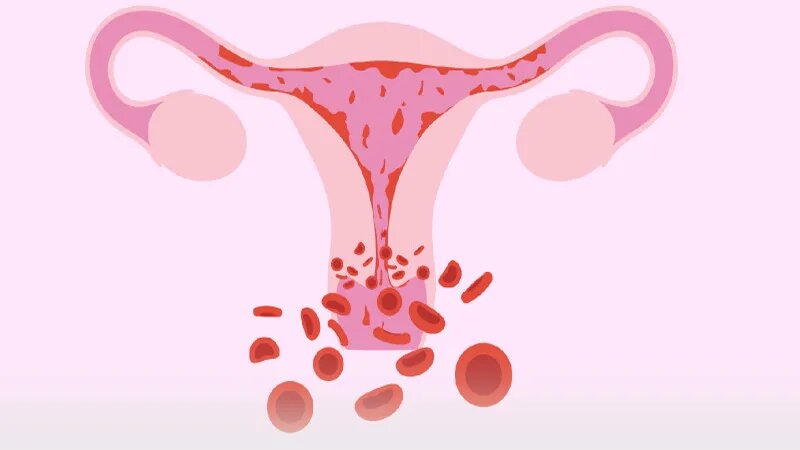
Heavy menstrual bleeding, also known as menorrhagia, is a condition where periods are excessively heavy or prolonged. While many women dismiss it as “normal,” it can indicate an underlying health issue and should never be ignored.
What is Heavy Bleeding?
Heavy bleeding is defined as:
-
Bleeding that lasts more than 7 days
-
Passing large blood clots during periods
-
Needing to change pads/tampons every 1–2 hours
-
Feeling tired, dizzy, or developing anemia due to blood loss
Possible Causes
Several factors can cause heavy bleeding:
-
Hormonal imbalance (common in adolescents and perimenopausal women)
-
Fibroids or polyps in the uterus
-
Thyroid disorders
-
Bleeding disorders (like low platelet count)
-
Pelvic infections
-
Cancer of the uterus or cervix (rare but serious)
When to See a Doctor
Seek medical help if your periods are affecting daily life, causing fatigue, or leading to anemia. Early diagnosis ensures effective treatment and prevents complications.
Treatment Options
The treatment depends on the cause and severity:
-
Medications – Hormonal pills, non-steroidal anti-inflammatory drugs (NSAIDs), or tranexamic acid.
-
Hormone therapy – To regulate cycles and control bleeding.
-
Surgical treatments – For severe cases, procedures like endometrial ablation, fibroid removal, or hysterectomy may be recommended.
Self-care Tips
-
Include iron-rich foods (spinach, beans, lean meat) to prevent anemia.
-
Stay hydrated and rest during heavy flow days.
-
Track your cycles to notice any sudden changes.
Conclusion
Heavy menstrual bleeding is not something to “just manage.” It can signal an underlying condition that requires treatment. Consulting a gynecologist can help identify the cause and provide relief through the right treatment plan.